A290
Electric vehicles have special features, but operate in a similar manner to conventional vehicles.
The main difference in electric vehicles is the exclusive use of electric energy instead of fuel, as used in convention vehicles.
We therefore recommend that you read these instructions describing your electric vehicle carefully.
Electric vehicle schematic diagram
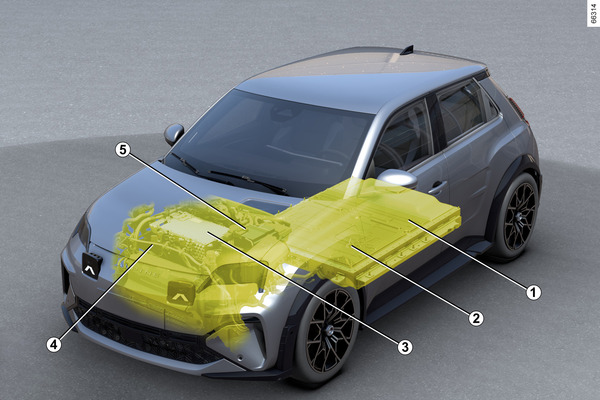
- 1.
"High voltage" traction battery.
- 2.
Electric charging socket.
- 3.
Electric motor.
- 4.
Orange electrical power cables.
- 5.
12 volt battery.
Connected services
Introduction
Your electric vehicle has connected services that provide information and/or control:
- your vehicle's charging status with low battery warning;
- the traction battery charging programming, based on certain choices on offer;
- remaining vehicle range;
- ...
You can access these services using:
- external digital devices (mobile phone, tablet, etc.);
- the vehicle multimedia screen.
For more information, refer to the multimedia equipment instructions or contact an Approved Dealer.
tip
You can subscribe to a connected service or extend it at any time by consulting an authorised dealer.
Batteries
The electric vehicle has two types of battery:
- a "high voltage" traction battery;
- a "12 V" battery.
"high voltage" traction battery
This battery stores the energy necessary to operate the motor in your electric vehicle properly. As with any battery, it discharges after use, and must be regularly recharged.
You do not have to wait until the traction battery hits the reserve level in order to recharge it.
Charging times vary depending on the type of specific wall unit socket or public terminal you connect to.
Your vehicle battery range will depend on the traction battery charge level and also on your driving style Vehicle range: advice.
The vehicle's air conditioning system is used to cool the traction battery.
To preserve the lifetime of your traction battery, have your air conditioning system checked by a qualified professional. Especially if you notice a reduction in air conditioning performance.
12 volt battery
The second battery on your vehicle is a 12 V battery: this supplies the energy required to operate vehicle equipment (lights, windscreen wipers, braking assistance, etc.).
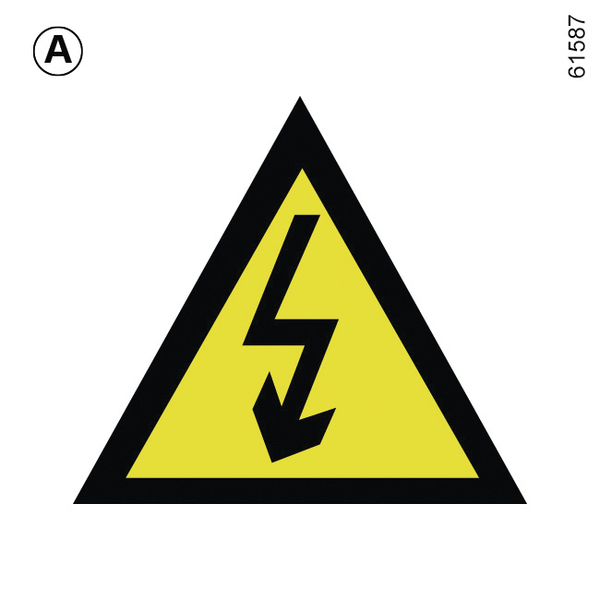
The
 symbol identifies the electrical components in your vehicle which may present safety risks.
"High voltage" electrical circuit
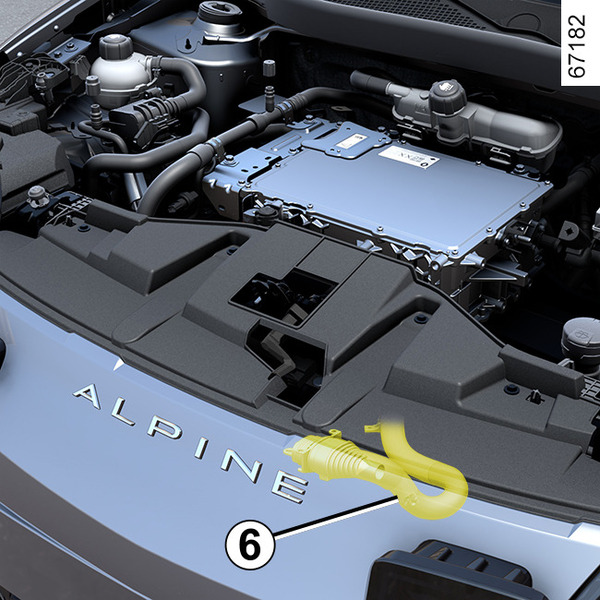
The "high voltage" electrical circuit can be recognised by the orange cables 6 and parts bearing the
symbol.
warning
The electric vehicle's drive system uses high-voltage electric current.
This system can get hot during and after switching off the ignition. Respect warning messages given on the labels in the vehicle.
All operations or modifications on the vehicle's "high voltage" electrical system (components, cables, connectors, traction battery) are strictly prohibited due to the risks they present to your safety. Call an approved Dealer.
The risk of serious burns or electric shocks can lead to death.
Driving
As with a car with an automatic gearbox, you will have to get used to not using your left foot, and not using this foot to brake.
When driving, if you lift your foot off the accelerator pedal or press the brake pedal, the motor generates electrical current during deceleration and this energy is used to recharge the battery Driving advice, eco-driving.
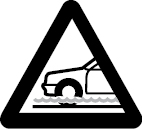
Bad weather, flooded roads:
| Do not drive through floods if the depth of water is above the lower edge of the wheel rims. |
warning
The engine brake should under no circumstances be used as a substitute for the brake pedal.
warning
Driver obstruction
On the driver's side, only use mats suitable for the vehicle, attached with the pre-fitted components, and check the fitting regularly. Do not lay one mat on top of another.
There is a risk of wedging the pedals.
Noise
Electric vehicles are particularly quiet. You will not yet necessarily be used to it, and neither will other road users. It is difficult for them to hear the vehicle when it is moving.
As the motor is silent, you will hear noises that you are not used to hearing (aerodynamic noises, tyre noise, etc.)
Each time the ignition is switched off, the ventilation will be switched off after about ten seconds.
Pedestrian horn
The pedestrian horn enables you to warn others of your presence – especially pedestrians and cyclists.
When the engine is started, the pedestrian horn is activated automatically. The sound is emitted when the vehicle speed is between approximately 1 and 19 mph (1 and 30 km/h).
For further information on the pedestrian horn, refer to the multimedia instructions.
In the event of a fault with the pedestrian horn, the warning light
 is displayed on the instrument panel, accompanied by the "Failure Outside sound" message.
Consult an approved Dealer.
warning
Your electric vehicle is silent. Before leaving it, with your foot on the brake, stop the engine.
RISK OF SERIOUS INJURY.