A290
A well-maintained vehicle will last longer. It is therefore recommended to maintain the exterior of the vehicle regularly.
Your vehicle has been treated with very effective anti-corrosion products. It is nevertheless subject to various outside influences.
Corrosive agents in the atmosphere
- atmospheric pollution (in built-up and industrial areas);
- saline atmospheres (near the sea, particularly in hot weather);
- seasonal and damp climatic conditions, (e.g.: road salt in winter, water from road cleaners, etc.).
Minor impacts
Abrasive action
Dust and sand in the air, mud, road grit thrown up by other vehicles, etc.
You should take a number of minor precautions in order to safeguard your vehicle against such risks.
You should do the following
Wash your car frequently, with the engine off, with cleaning products recommended by our Technical Department (never use abrasive products). Rinse thoroughly beforehand using a jet washer:
- spots of tree resin and industrial pollution;
- mud in the wheel arches and underneath the body which forms damp patches;
- bird droppings, which cause a chemical reaction with the paint that rapidly discolours paintwork and may even cause the paint to peel off.
Wash the vehicle immediately to remove these marks as it is impossible to remove them by polishing;
- salt, particularly in the wheel arches and underneath the body after driving in areas where the roads have been gritted.
Withdraw the vegetable falls (resin, film etc.) from the vehicle regularly.
Observe the vehicle stopping distances when driving on gravelled surfaces to prevent paint damage.
Repair, or have repaired quickly, areas where the paint has been damaged, to prevent corrosion spreading.
Remember to visit the body shop periodically in order to maintain your anti-corrosion warranty. Refer to the maintenance document.
Observe local regulations about washing vehicles (e.g. do not wash your vehicle on a public highway).
When washing the vehicle with a high-pressure cleaning device, please take the following precautions:
- make sure that your vehicle's paintwork, the area or the component that you want to clean is compatible with this type of washing;
- the pressure delivered by the device must be less than 100 bar;
- when washing, position the spray nozzle at least 15 cm from the vehicle and check that the water flow rate is less than 3.30 gal (15 l)/min);
- do not persist in washing the same area, impacted points or the seals (risk of damage to the paint, seals becoming detached, etc.).
If mechanical components, hinges, etc. have been cleaned, they must be protected again by spraying with products approved by our Technical Department.
tip
We have selected special products to care for your vehicle and you can obtain these from the manufacturer's accessory outlets.
Do not do the following
Wash the vehicle in bright sunlight or freezing temperatures.
Do not scrape off mud or dirt without pre-wetting.
Allow dirt to accumulate on the exterior.
Allow rust to form following minor impacts.
Using solvents not approved by our Technical Department to remove stains may damage the paintwork.
Do not drive in snow or muddy conditions without washing the vehicle, particularly under the wheel arches and body.
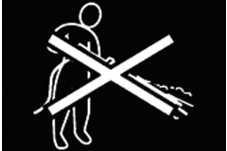
Degrease or clean using high-pressure cleaning equipment or by spraying products not approved by our Technical Department:
- mechanical components (e.g. engine compartment);
- wheels (e.g. braking system components such as brake callipers);
- the underbody;
- the parts with hinges (e.g. inside the doors);
- the painted plastic external fittings (e.g. bumpers).
Doing this could give rise to corrosion or operational faults.
Vehicles with a matte paint finish
This type of paint requires certain precautions.
You should do the following
Wash the vehicle by hand using plenty of water, using a soft cloth or a gentle sponge.
Do not do the following
Use wax-based products (polishing).
Rub too hard.
Wash the vehicle in a roller-type car wash.
Attach stickers to the paintwork (risk of leaving marks).
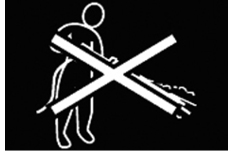
Wash the vehicle using a high-pressure cleaning device.
Using a roller type car wash
Return the wiper stalk to the resting position Wiper.
Check the mounting of external accessories, additional lights and rear view mirrors, and ensure that the wiper blades are secured with adhesive tape.
Remove the radio aerial mast if your vehicle is fitted with this equipment.
Remember to remove the adhesive and refit the aerial (by screwing it in fully) once the wash is finished.
warning
Washing the vehicle
Never wash the engine compartment, the charging connection or the traction battery with a high-pressure jet.
This risks damaging the electric circuit.
Never wash the vehicle while it is charging.
Risk of electric shock and a risk to life.
Cleaning the headlights, sensors and cameras
Use a soft cloth or cotton wool.
If this is not sufficient, moisten the cloth with soapy water, always rinsing with a soft cloth or cotton wool.
Finally, carefully dry off with a soft dry cloth.
Do not use cleaning products containing alcohol or utensils (e.g. a scraper).
Cleaning stickers, decorative films, etc.
You should do the following
Use a soft cloth or cotton wool.
Moisten it slightly with soapy water then always wipe clean with a soft cloth or cotton wool.
Finally, carefully dry off with a soft dry cloth.
Do not do the following
Use alcohol-based cleaning products.
Use utensils (e.g. a scraper).
Rub too hard.
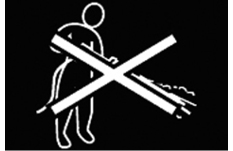
Wash the vehicle using a high-pressure cleaning device.